
Interested in a career in law enforcement?
Find your future, live the life.
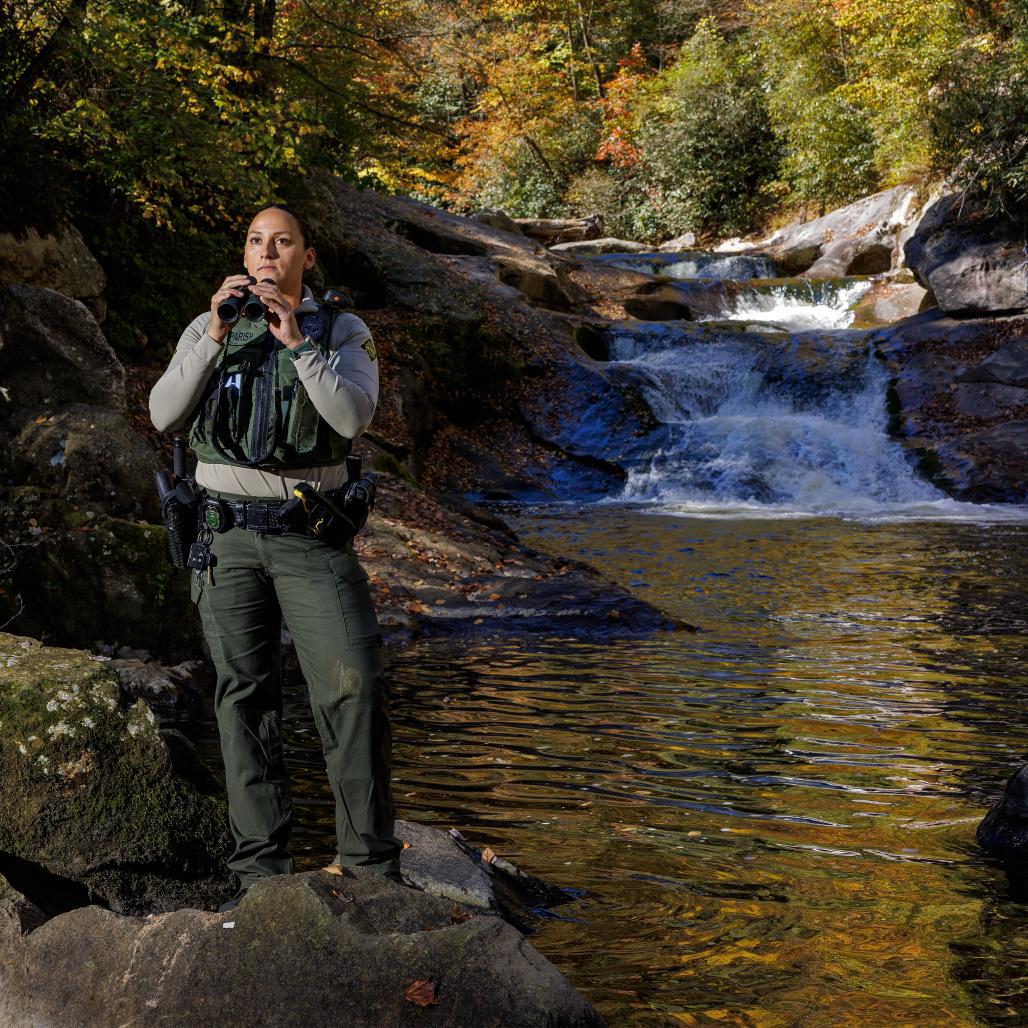
N.C. Wildlife Law Enforcement has protected the public and provided conservation since 1947. Wildlife Law Enforcement Officers enforce state and federal game, fish and boating laws in the state of North Carolina.
It's not just a job, it's a calling! You will be part of a tight-knit family of over 200 highly-skilled, professional officers who are responsible for law enforcement off the pavement. Do you have what it takes to join our team?
Take your career to wild places.
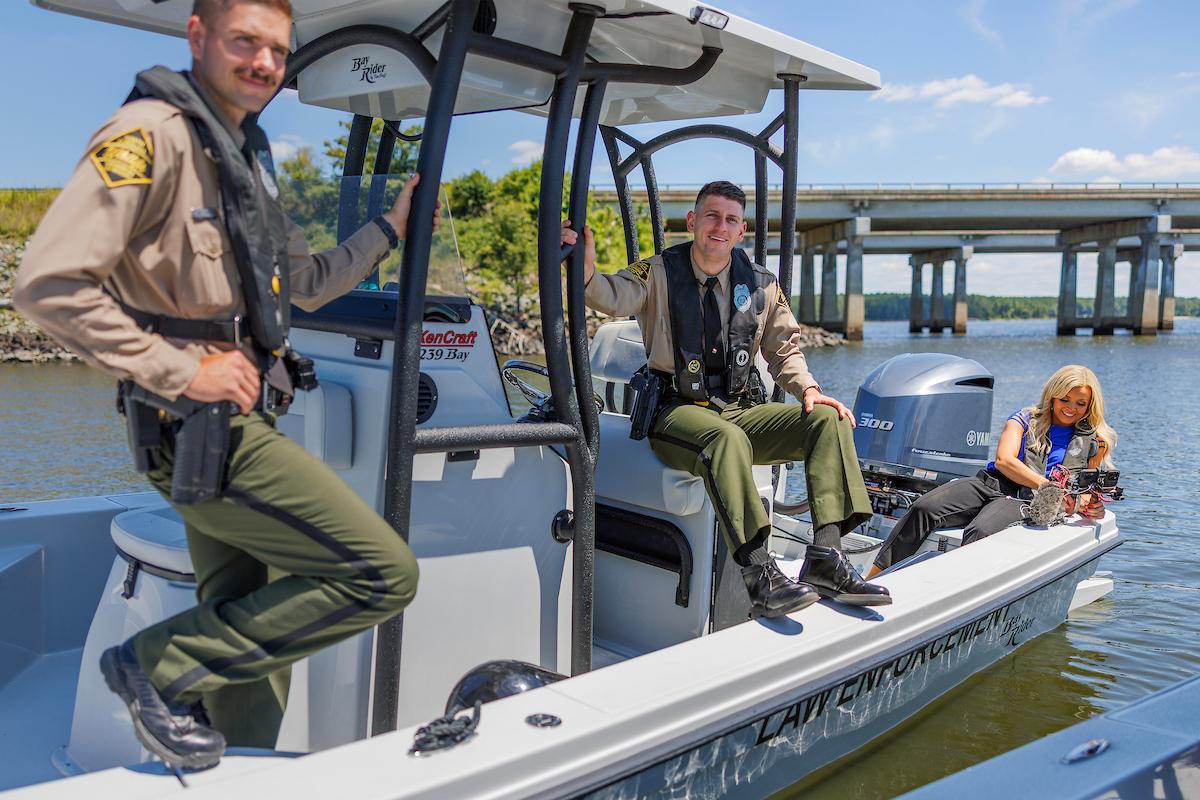
Applicant Requirements
- Have a high school diploma or GED.
- Be 20 years old before taking the state Basic Law Enforcement Training Exam.
- Take a standardized reading comprehension assessment and score at the 10th grade level or higher.
- Undergo a thorough background investigation, including a complete criminal history check.
- Pass police officers physical ability assessment.
- Complete 30-week basic training academy.
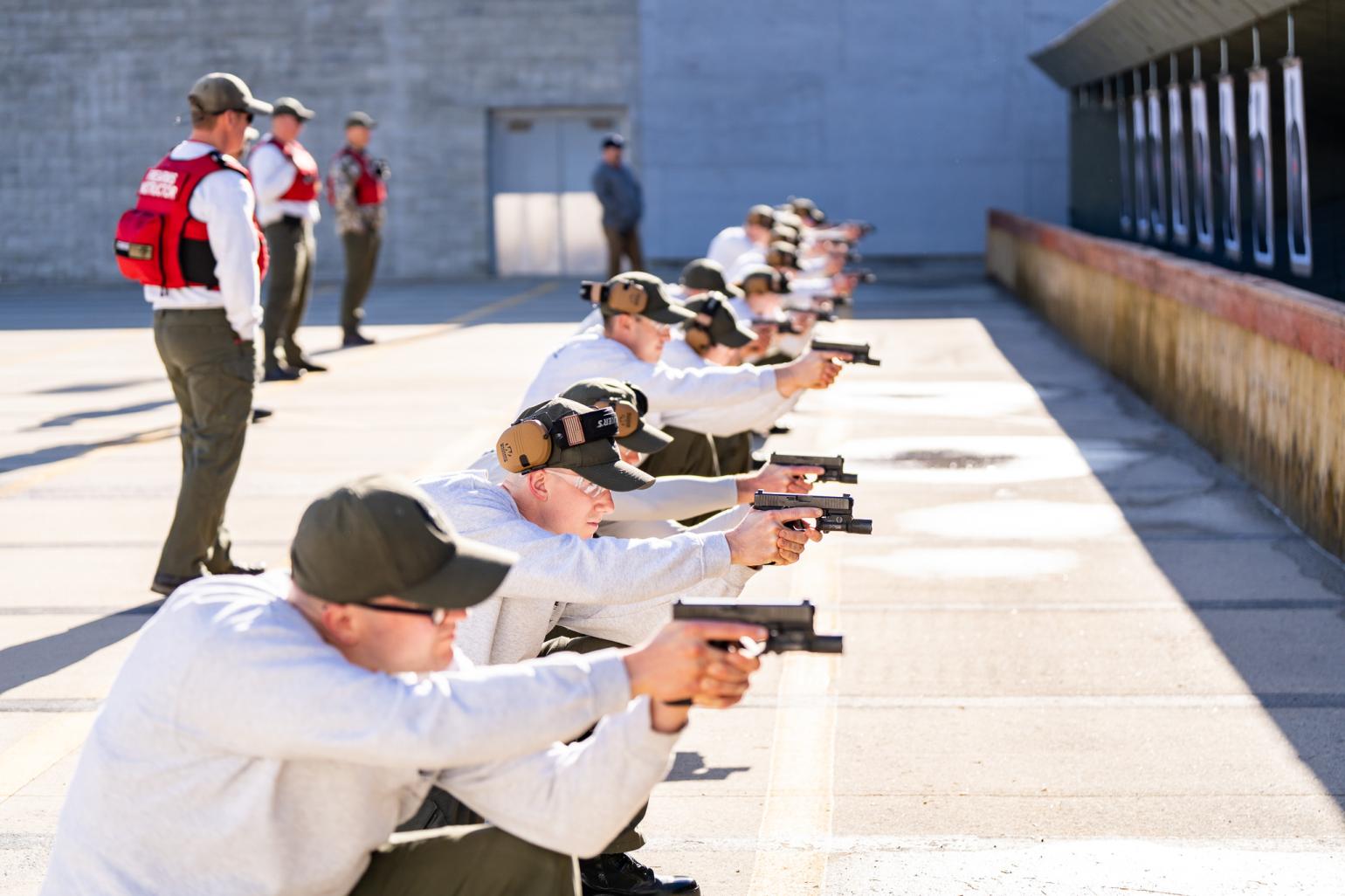
Traditional Program
- All interested applicants with no law enforcement experience.
- Interested applicants who have not received a NC general law enforcement certification (completion of BLET and at least 1 year of sworn law enforcement experience)
- Interested applicants who are enrolled in or who have completed BLET but who will not have their NC general law enforcement certification prior to date of hire.
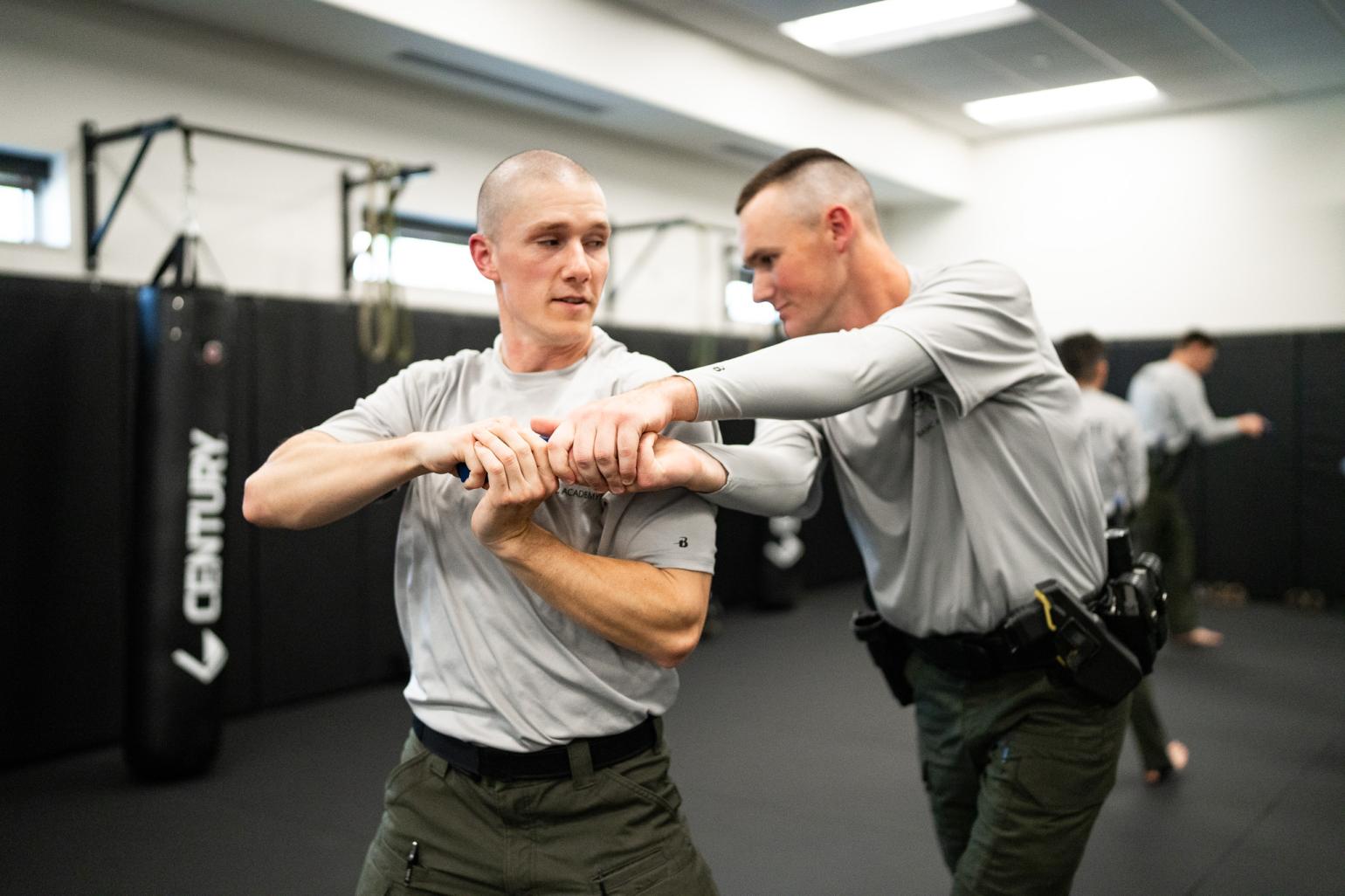
Accelerated Program
- Interested applicants who possess a current and valid general law enforcement certification issued by NC Criminal Justice Education & Training Standards (a minimum of one year of NC sworn law enforcement experience) or will meet this requirement by their hire date.
- Interested applicants must meet the requirements of lateral transfers as set out by NC Criminal Justice Education & Training Standards.
2026 Recruitment Presentation
Training and Certification
All wildlife officer candidates are required to pass an extensive background, psycho-logical and physical screening prior to entering an accredited training academy conducted by the Law Enforcement Division. Each wildlife officer holds a basic law enforcement training certification.
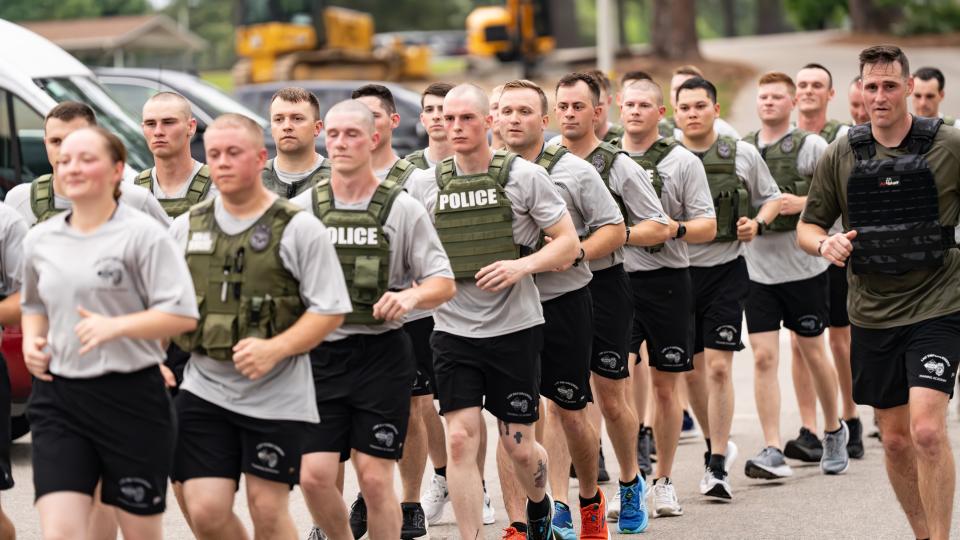
Required Physical Capabilities
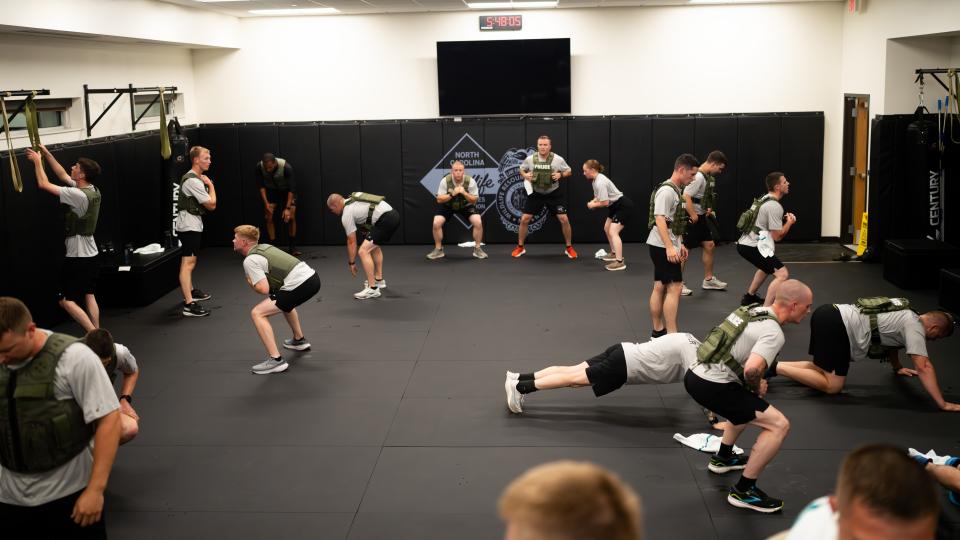
In addition to being in an excellent physical condition, candidates must meet vision, hearing, and other sensory perception standards. Maintaining a healthy physical regimen is a required part of job performance upon becoming a wildlife officer. The initial phase of the application process consists of a modified police officer's physical abilities assessment.
Modified Police Officers Physical Abilities Assessment
Recruit Training Academy and Field Training Assignments
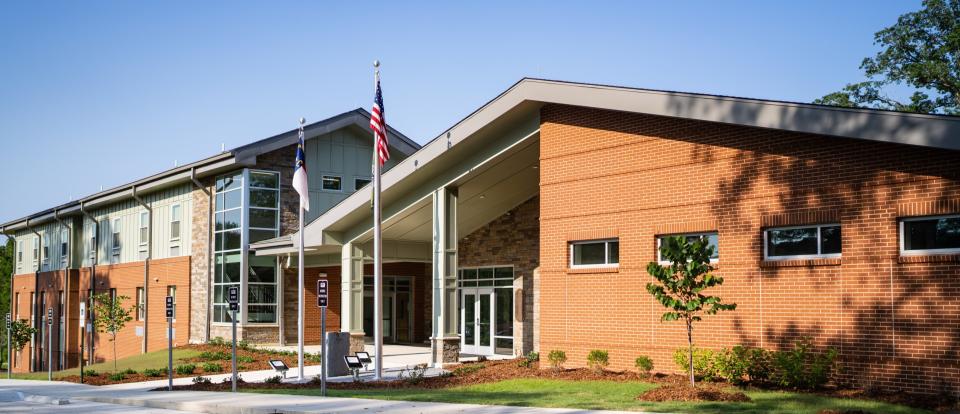
The majority of the basic law enforcement training is held at the Samarcand Training Academy in Jackson Springs, NC. Recruits are housed in dorms with fellow recruits. The training is highly structured, with physical training most mornings. The training academy usually begins in January with graduation in late July.
Preferred Qualifications
- A thorough knowledge of fish and wildlife species native to North Carolina.
- An understanding of NCWRC-regulated activities, including boating, fishing, hunting, and trapping.
- A physical training routine while awaiting an application opportunity.
- Criminal justice courses at the university or community college level.
Wildlife Officers Benefits
- Competitive salary and advancement opportunities.
- Paid holidays and military leave.
- Specialized training.
- Agency-issued, take-home patrol vehicle.
NCWRC is an Equal Opportunity Employer.
62nd Basic Academy Frequently Asked Questions
General
Applications will be accepted from April 1st through April 30th for both the Traditional and Accelerated Programs.
The Academy will be conducted at the North Carolina Wildlife Law Enforcement Training Center, located at the Department of Public Safety, Samarcand Training Academy in Jackson Springs, NC.
- Traditional Program: Approximately 30 weeks (includes BLET and Wildlife-specific training).
- Accelerated Program: Approximately 10 weeks (Wildlife-specific training only).
The Academy is physically demanding, and preparation is critical for success. We recommend focusing on overall physical fitness, with an emphasis on cardiovascular endurance and muscular endurance. Begin with bodyweight exercises such as push-ups, sit-ups, pull-ups, burpees, air squats, lunges, and jumping jacks. These exercises will help build strength and stamina for the Academy’s physical training sessions and the modified Police Officer Physical Abilities Test (POPAT). Additionally, incorporate running into your routine, gradually increasing distance and pace to prepare for the Academy’s 5-mile run milestone (goal: under 45 minutes or 9:00-minute mile pace). Interval training and hill runs can improve cardiovascular capacity. Always consult with a medical provider before starting any new fitness regimen.
Qualifications
- High school diploma or GED
- 20 years old prior to passing the BLET state exam (June 2027)
- Pass reading comprehension at 10th-grade level or higher
- Pass modified POPAT physical test
- Meet background, medical, and psychological requirements
- Willingness to relocate for field training and permanent assignment
- High school diploma or GED
- Current NC General Law Enforcement Certification (minimum 1 year sworn experience)
- Pass reading comprehension at 10th-grade level or higher
- Pass modified POPAT physical test
- Meet background, medical, and psychological requirements
- Willingness to live within 15 miles of the assigned county
No. While these experiences may make you a more competitive candidate, they do not qualify you for the Accelerated Program. To be eligible, you must hold a current NC General Law Enforcement Certification from CJ Training & Standards with at least one year of sworn law enforcement experience. Out-of-state or federal officers would need to attend the NC BLET curriculum as a limited enrollee, which does not align with our programs.
No. There is no maximum age limit as long as you meet all minimum qualifications, including physical fitness and medical requirements.
No, but it can make you a more competitive candidate. Familiarity with NC wildlife laws and outdoor activities is encouraged.
Hiring Process
Unfortunately, you cannot continue in the process if you miss any required stage. You will need to reapply during the next hiring cycle.
Assignments are based on agency needs first, then individual preferences. Factors such as family, military obligations, and housing are considered.
Permanent assignments are based on vacancies and agency needs. Laterals can be requested after the initial assignment.
The modified Police Officer Physical Abilities Test (POPAT) measures your ability to perform essential law enforcement tasks under physical stress. It includes running, obstacle navigation, push-ups, and other functional movements. Preparation should focus on cardio endurance, strength, and agility.
Yes, we accept out-of-state applications. Out-of-state applicants are required to attend the in-person hiring assessments to be considered for employment (Physical Fitness Assessment, Reading Comprehension Assessment, Psychological Evaluation, and Medical Evaluation). See below regarding lodging for out-of-state recruits.
Basic Academy Life
Yes. Dormitory-style housing is provided during the Academy. Recruits must leave on weekends but return Sunday night.
Yes. Meals are provided at no cost while on campus. Meals pertaining to off-site training will either be provided or reimbursed.
Training is Monday–Friday, often starting early and ending late. Physical training occurs 3–4 times per week.
- Facial hair: Not permitted during the Academy. Afterward, only neatly trimmed mustaches are allowed.
- Tattoos: Allowed if covered by uniform; no neck, face, or hand tattoos.
No. Out-of-state recruits may reside on campus during the Academy. This arrangement must be approved prior to starting and is considered a privilege that can be revoked at any time.
Recruits must pass the NC BLET State Exam to continue in the program. Failure may result in dismissal from the Academy. Retesting options are limited and determined by state standards.
Assignment Process
Field training assignments are determined halfway through the Basic Academy, once Field Training Officers have been designated. Assignments are based on agency needs first, followed by consideration of individual preferences. Factors such as family obligations, housing arrangements, and military commitments are taken into account when possible. The goal is to provide adequate time for recruits to secure housing before starting field training.
Permanent duty assignments are typically finalized halfway through the field training program, though they may occur during the Academy or after field training completion. Assignments are based on current vacancies and agency needs first, then individual preferences. Laterals to other counties can be requested after initial assignment and will be granted based on seniority or a panel interview if multiple officers request the same vacancy.
Pay and Benefits
Yes. Starting salary is approximately $52,248 annually, beginning on the first day of the Academy. NC state employees are paid once a month. Paychecks are issued no later than midnight on the last business day of the month; however, actual deposit timing may vary depending on your bank.
No. Housing during the Field Training Program and for your permanent duty assignment is the responsibility of the recruit/trainee. However, trainees may be eligible for reimbursement of moving expenses for their first duty assignment if they meet NC State Policy standards.
Military and Education
Yes. The Basic Academy is eligible for VA Benefits Non-College Degree (NCD) program, based on your individual GI Bill eligibility. Additionally, our Field Training Program and the following 30 months qualify for the VA Benefits OJT or Apprenticeship program, which can provide additional benefits for up to 36+ months. Depending on your GI Bill type, eligibility, and BAH location, this could amount to over $40,000 in benefits. We strongly encourage applicants to contact the VA or their military education office to confirm eligibility and benefits.